
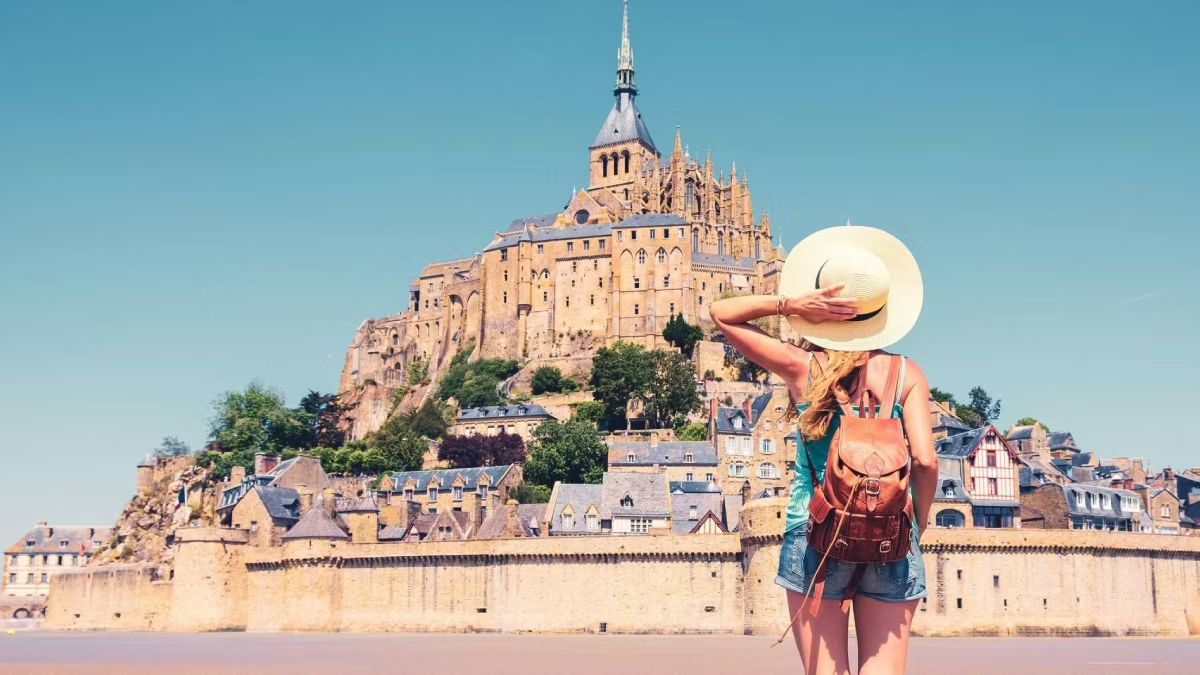
Best Time to Visit Mont-Saint-Michel in 2026
Season, Tides & Crowds — When to Go & When to Avoid

May and September are the best months to visit Mont-Saint-Michel in 2026. Both offer comfortable temperatures, manageable crowds (roughly half of summer peak levels), and dramatic spring tides — including the year’s highest tide on 13 September (coefficient 118). For time of day, arrive before 10am or after 5pm regardless of season. July and August are the most crowded months; November through March are the quietest, with fewer visitors and free abbey admission on the first Sunday of each month.
No other major French attraction is as dependent on timing as Mont-Saint-Michel. The tides, the crowds, the weather, and the abbey’s seasonal hours all interact to create very different experiences depending on when you visit. This guide breaks it down season by season, month by month, and hour by hour.
The Two Things That Define Your Visit: Tides and Crowds
Before getting into seasons and months, it is worth understanding the two factors that matter most at Mont-Saint-Michel — because they operate independently of each other and sometimes pull in opposite directions.
Tides determine what you see. At low tide, the island sits in a vast landscape of sand and mudflats. At high tide during spring tides (coefficient above 110), the water rises to surround the mount completely — one of the most spectacular natural phenomena in continental Europe. The highest tides occur around the spring and autumn equinoxes, in March and September. Tides follow the lunar calendar and have nothing to do with visitor numbers.
Crowds determine how you feel. Summer brings 15,000–20,000 visitors a day onto an island with one main street. The difference between a July midday visit and an October morning is the difference between shuffling in a queue and wandering in relative peace through the same medieval lanes.
The ideal visit combines a high-coefficient tide with lower crowd levels. May and September hit this combination best.
Season by Season
Spring (April–May) — Recommended
April and May offer some of the best overall conditions of the year. Temperatures reach 12–18°C, daylight extends to 9pm by late May, accommodation prices are 30–40% below summer peaks, and visitor numbers are roughly half of peak summer levels.
May in particular is excellent. Spring tides with coefficients of 110–115 occur during new and full moon phases, creating dramatic bay transformations. The salt marshes around the bay bloom, the light quality is exceptional for photography, and the abbey’s Gothic spaces feel genuinely contemplative rather than congested.
One note for May: the Bay Marathon (held at the end of May) draws around 5,000 runners and many spectators. Avoid this weekend if you are planning a relaxed visit.
Summer (June–August)
June is the last comfortable month before peak season. Crowds are building but not yet overwhelming, temperatures are warm, and the abbey’s extended hours (open until 7pm) allow later visits. Tidal coefficients of 100–105 during June’s full and new moons create good tidal spectacles.
July and August are the busiest months by a significant margin. Daily visitor numbers reach 15,000–20,000. The Grande Rue becomes genuinely congested during midday, abbey queues for walk-up tickets reach 45–90 minutes, and accommodation prices hit their annual peak. The abbey illumination evenings (Nocturnes de l’Abbaye) run July through August from 19:30 to 23:00 — a spectacular sound and light experience that rewards overnight visitors.
If you must visit in July or August, arrive before 9am or after 5pm. The difference is significant — by 7am the island is still quiet; by 11am it is overwhelming.
Autumn (September–October) — Recommended
September is the other outstanding month of the year. The September equinox produces the year’s most dramatic tides — 2026’s highest tide falls on 13 September (coefficient 118, high tide at 3:15pm). Temperatures remain comfortable at 16–19°C, school resumption in early September reduces family visitor numbers significantly, and the quality of autumn light is exceptional for photography.
October remains good — the autumn equinox tides continue with a notable high on 12 October (coefficient 112). Visitor numbers drop further, accommodation prices ease, and the island’s stone takes on a warmer hue in the slanting October light.
Winter (November–March)
Winter is the most peaceful time to visit Mont-Saint-Michel. Visitor numbers are 70% below summer peaks — some days see only 3,000–5,000 people on the island. The abbey’s Gothic halls have a contemplative atmosphere that summer visitors rarely experience. Accommodation prices drop to €80–140 for quality hotels, representing significant savings.
The tradeoffs are shorter days, cooler temperatures (5–10°C), and some restaurant and shop closures. The abbey is open with reduced hours (9:30–18:00) and offers free admission on the first Sunday of each month from November through March.
The highest tides of 2026’s winter period fall on 14 March (coefficient 119) — the year’s single highest tide, with high water at 2:47pm. Visitors who can be flexible enough to plan around this date will experience an extraordinary natural spectacle in near-solitude.
Best Time of Day
Regardless of season, time of day makes a dramatic difference at Mont-Saint-Michel.
Before 10am is consistently the best window. The Grande Rue is still quiet, the abbey entrance has no queue, and the island has a genuinely contemplative atmosphere. Early morning light on the bay is exceptional for photography. Arriving at opening (9am in summer, 9:30am off-season) is the single most reliable way to improve a visit.
10am–5pm is peak congestion time, particularly from June through August. The narrow streets fill with day-trippers and coach groups. If you are arriving during this window, booking your abbey ticket in advance is essential — walk-up queues are longest at midday.
After 5pm is the second-best window, particularly in summer when the extended opening hours allow later abbey visits. Coach groups and day-trippers begin leaving the island from around 4pm. By 6pm the atmosphere is markedly quieter. Parking is also free after approximately 18:30 in low and mid-season.
Overnight visitors experience the full magic — the island after dark, with illuminated abbey and empty cobblestone streets, is a completely different place. See our night visit guide for details.
Best Tide Dates in 2026
The most dramatic tidal events of 2026, with coefficients above 110:
| Date | Coefficient | Approximate High Tide |
|---|---|---|
| 14 March | 119 | 14:47 |
| 29 March | 115 | 15:32 |
| 13 September | 118 | 15:15 |
| 12 October | 112 | 13:38 |
Arrive at least two hours before the listed high tide time to watch the full advance of the water. The tidal bore — the visible wave front of the incoming tide — is one of the great spectacles of the natural world. See our tides guide for a full explanation of how the tides work and our 2026 tide calendar for the complete schedule.
Weekday vs Weekend
Weekends are consistently busier than weekdays at every time of year. French school holiday weekends (particularly in July, August, and around Easter) see the highest visitor numbers of all. If your dates are flexible, a Tuesday, Wednesday, or Thursday visit will always be quieter than a Saturday.
Summary: When to Go
| If you want… | Best time |
|---|---|
| Best overall balance | May or September |
| Dramatic tides + fewer crowds | 14 March or 13 September 2026 |
| Quietest experience | November–February, weekday morning |
| Best weather | June–September |
| Best value | November–March |
| Summer evening illuminations | Late July–August after 19:30 |
| Free abbey admission | First Sunday of month, Nov–Mar |
Frequently Asked Questions
What is the best month to visit Mont-Saint-Michel?
May and September offer the best combination of weather, crowds, and tides. September 2026 is particularly exceptional — the 13th has the year’s second-highest tide (coefficient 118) alongside post-summer crowd levels.
When is Mont-Saint-Michel least crowded?
November through February. Winter weekday mornings see only a fraction of summer visitor numbers. The abbey is quieter, the atmosphere more contemplative, and accommodation significantly cheaper. See our crowds guide for full detail.
Is it worth visiting Mont-Saint-Michel in winter?
Yes — particularly for visitors who want the abbey to themselves, dramatic tidal conditions, and budget accommodation. The highest tide of 2026 falls on 14 March (coefficient 119), making early spring an exceptional window.
What time of day should I visit Mont-Saint-Michel?
Before 10am or after 5pm, regardless of season. These windows consistently offer shorter queues, quieter streets, and a more enjoyable experience overall.
Should I time my visit to see the tides?
Yes — if you have any flexibility in your dates. The tidal spectacle at Mont-Saint-Michel is unlike anything else in Europe. See our tides guide for how to read the tide calendar and plan your visit accordingly.
